time is money tattoo: Meaning, Symbolism, Designs, and Why This Ink Never Goes Out of Style

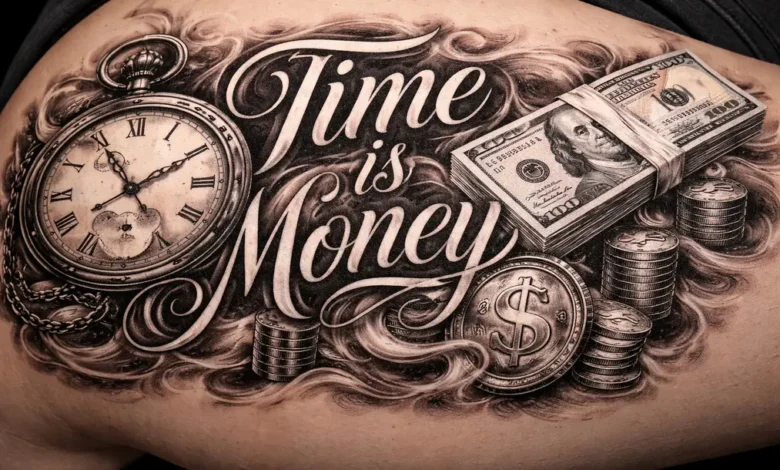
Understanding the Meaning Behind a Time Is Money Tattoo
A time is money tattoo is more than just a catchy phrase inked on the skin; it’s a philosophy, a reminder, and for many people, a personal code of living. At its core, the phrase highlights the idea that time is a valuable, limited resource, just like money. Once it’s gone, you can’t earn it back. People who choose this tattoo often see it as a daily reminder to respect their time and use it wisely.
For professionals, entrepreneurs, creatives, and even students, this tattoo represents discipline and focus. It quietly reinforces the belief that every hour spent should have purpose, whether that purpose is earning, learning, resting, or building meaningful relationships. In a world full of distractions, having this message permanently inked can feel like anchoring yourself to your goals.
On a deeper level, the time is money tattoo can also symbolize life experience. Money can be lost and regained, but time moves only forward. Many wearers get this tattoo after a major life event—such as starting a business, losing a loved one, or overcoming failure—when they truly realize how precious time is. It becomes less about wealth and more about intentional living.
Popular Time Is Money Tattoo Symbolism Explained
Symbolism plays a huge role in how a time is money tattoo is designed and interpreted. One of the most common elements is a clock, often paired with coins, cash, or even a vault. The clock represents passing time, while money symbolizes value, effort, and reward. Together, they visually explain the message without needing words.
Another popular symbol is the hourglass. Hourglasses are powerful because they show time physically slipping away grain by grain. When combined with dollar signs or currency imagery, the meaning becomes even stronger: every second that passes holds potential value. Many people choose this design to reflect urgency and awareness of mortality.
Some tattoos take a more minimalist route, using just typography. Simple text like “Time Is Money” in bold script, cursive, or typewriter-style font can be incredibly impactful. This stripped-down approach often appeals to people who believe the message itself is powerful enough without heavy visuals. It sends a clear, confident statement that doesn’t need explanation.
Time Is Money Tattoo Design Ideas That Stand Out
Design flexibility is one of the reasons the time is money tattoo remains so popular. From detailed realism to clean line art, the concept adapts well to many artistic styles. One standout design is a broken clock spilling coins instead of gears. This creative twist suggests that wasted time results in lost money—or that time itself fuels financial success.
Another eye-catching design involves a watch face with dollar signs replacing the numbers. This modern and clever approach visually connects timekeeping directly to wealth. Tattoo artists often customize these designs by adding Roman numerals, specific times, or meaningful dates, making the tattoo deeply personal.
For those who want something bold and expressive, combining the phrase with imagery like skulls, roses, or flames adds emotional depth. A skull can represent mortality, reminding the wearer that time eventually runs out. Roses might symbolize beauty and fleeting moments, while flames can reflect urgency and passion. These layered designs turn a simple message into a full visual story.
Best Placement Options for a Time Is Money Tattoo
Placement is just as important as design when it comes to a time is money tattoo. Many people choose highly visible areas like the forearm or wrist, where the tattoo can be easily seen throughout the day. This placement works well for motivational tattoos because it keeps the message constantly in view.
The chest is another popular option, especially for those who view the tattoo as deeply personal. Placing it close to the heart can symbolize that the philosophy of valuing time is central to who they are. Chest tattoos also allow for larger, more detailed designs, such as clocks with intricate shading or realistic money imagery.
For a more discreet approach, areas like the ribcage, upper arm, or back of the shoulder work well. These placements are ideal for people who want the tattoo for themselves rather than for public display. It becomes a private reminder—something you know is there even when others don’t see it.
Why Time Is Money Tattoos Appeal to Hustle Culture
The rise of hustle culture has played a major role in the popularity of the time is money tattoo. In an era where productivity, side hustles, and personal branding are constantly emphasized, this phrase resonates strongly. It aligns with the mindset of maximizing efficiency and turning effort into results.
However, it’s important to note that not everyone with this tattoo glorifies nonstop work. For many, it actually encourages balance. Understanding that time has value also means knowing when to rest, disconnect, and invest time in mental health and relationships. The tattoo becomes a reminder to spend time wisely, not just profitably.
Social media has also influenced this trend. Entrepreneurs, athletes, and influencers often showcase tattoos that reflect ambition and discipline. A time is money tattoo fits perfectly into that narrative, making it both motivational and visually striking in photos and videos.
Cultural and Personal Interpretations of Time Is Money Tattoos
Culturally, the phrase “time is money” has roots in Western economic thinking, often attributed to Benjamin Franklin. Over time, it has evolved beyond business and finance into a broader life philosophy. A time is money tattoo today can reflect modern values like self-improvement, independence, and accountability.
On a personal level, interpretations vary widely. For some, it’s about financial success and career goals. For others, it’s about respecting their own boundaries and not wasting time on things that don’t matter. The beauty of this tattoo lies in its flexibility—it means what the wearer needs it to mean.
People from creative fields may interpret the tattoo differently as well. Artists, writers, and musicians often see time as the currency of creativity. Every hour spent practicing or creating adds value to their craft. In this sense, the tattoo becomes a symbol of dedication rather than money itself.
Things to Consider Before Getting a Time Is Money Tattoo
Before committing to a time is money tattoo, it’s worth reflecting on your personal relationship with time and success. Ask yourself what the phrase truly means to you and whether it aligns with your long-term values. Tattoos are permanent, and the message should still resonate years down the line.
Design and font choice are also critical. A well-thought-out design will age better and remain visually appealing. Working with an experienced tattoo artist can help refine your idea and ensure proper placement, size, and style. Quality artistry makes a huge difference in how the tattoo looks over time.
Lastly, consider how visible you want the tattoo to be. Professional environments, cultural expectations, and personal comfort all play a role. Planning ahead ensures that your time is money tattoo becomes a source of pride rather than regret.
Final Thoughts on the Time Is Money Tattoo Trend
The time is money tattoo continues to stand the test of time because its message is universal and deeply relatable. Everyone, regardless of background, understands the value of time and the impact of how it’s spent. This tattoo captures that truth in a bold, lasting way.
Whether chosen for motivation, symbolism, or personal philosophy, this tattoo serves as a constant reminder that life is happening now. Every second matters, and every choice carries weight. That’s what makes the design so powerful—it speaks without shouting.
In the end, a time is money tattoo isn’t just about wealth or hustle. It’s about awareness, intention, and respect for the one resource we all share and can never replace: time.
