Understanding Oxzep7 Software and Its Purpose
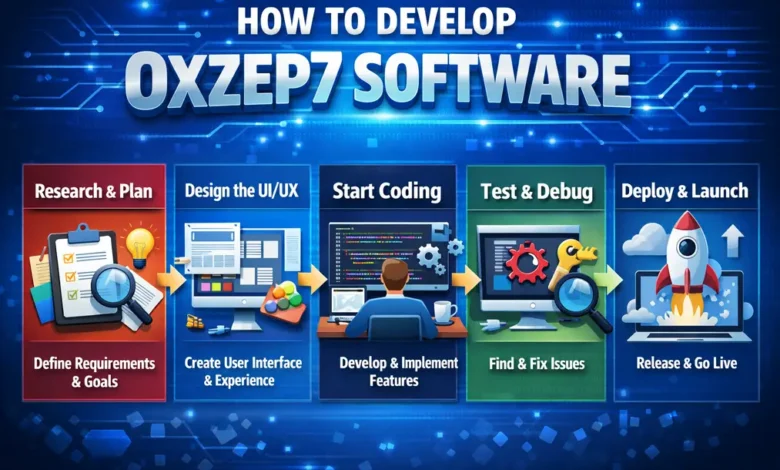
How to Develop Oxzep7 Software is best approached as a flexible, modern development framework rather than a rigid tool. At its core, Oxzep7 is designed to support scalable, modular, and performance-focused software solutions. Whether you are building internal business tools, automation systems, or customer-facing applications, Oxzep7 offers a structure that encourages clean architecture and long-term maintainability.
One of the biggest advantages of Oxzep7 software is its adaptability. Developers are not locked into a single style of coding or deployment. Instead, Oxzep7 allows you to tailor the software around your project’s requirements, team size, and growth plans. This makes it appealing to both solo developers and enterprise teams looking for consistency without sacrificing creativity.
Before writing a single line of code, it’s important to understand what problem Oxzep7 is meant to solve for your project. Is it speed, reliability, security, or ease of updates? Clarifying this early helps shape every development decision later, from architecture to testing strategies.
Planning the Architecture for Oxzep7 Development
Strong Oxzep7 software development always begins with a well-thought-out architecture. This stage determines how different components will interact, how data will flow, and how easy the system will be to extend in the future. Skipping or rushing this step often leads to technical debt that becomes expensive to fix later.
A modular architecture is highly recommended when developing Oxzep7 software. By separating the core logic, user interface, data handling, and integrations, you ensure that changes in one area do not break the entire system. This approach also makes it easier to onboard new developers and divide work across teams.
Another key architectural decision is choosing between monolithic and service-based designs. For smaller projects, a well-structured monolith may be more efficient. For larger or fast-growing applications, microservices or service-oriented patterns can help Oxzep7 software scale smoothly without major rewrites.
Setting Up the Development Environment
A clean and consistent development environment is essential for building reliable Oxzep7 software. This includes selecting the right programming language, frameworks, libraries, and tools that align with Oxzep7’s design philosophy. Consistency across development machines helps avoid “it works on my system” problems.
Version control is non-negotiable at this stage. Using a reliable system allows you to track changes, experiment safely, and collaborate without fear of losing progress. Clear branching strategies and commit messages improve long-term project clarity and reduce confusion during reviews.
It’s also wise to automate as much of the setup as possible. Configuration scripts, dependency managers, and containerized environments can dramatically reduce setup time for new developers. This ensures everyone works under the same conditions, which improves stability throughout the Oxzep7 development lifecycle.
Designing Core Features and Functional Modules
Once the environment is ready, the next step in Oxzep7 software development is defining and designing core features. This stage focuses on translating business requirements into technical components that are both practical and scalable. Clear documentation at this point saves countless hours later.
Each feature should be treated as an independent module with a clear responsibility. This approach makes the system easier to test, debug, and upgrade. When modules are loosely coupled, you can improve or replace parts of the Oxzep7 software without disrupting the entire application.
User experience should also be considered during feature design, not as an afterthought. Even highly technical Oxzep7 tools benefit from intuitive workflows and clear interfaces. A well-designed feature is not just functional but also pleasant and efficient to use.
Writing Clean and Maintainable Code
Code quality plays a huge role in the long-term success of Oxzep7 software. Writing clean, readable, and well-documented code makes it easier for others to understand your work and for you to revisit it months later without frustration.
Following consistent coding standards helps keep the project organized. Naming conventions, file structures, and formatting rules may seem minor, but they significantly impact readability. Oxzep7 software projects especially benefit from clarity, as they often grow in complexity over time.
Refactoring should be treated as a regular part of development, not a sign of failure. As Oxzep7 software evolves, requirements change and better solutions emerge. Improving existing code keeps the system efficient, secure, and aligned with best practices.
Implementing Security Best Practices
Security should be built into Oxzep7 software from day one rather than added later as a patch. This includes validating inputs, managing authentication carefully, and protecting sensitive data at every stage of processing.
Access control is another critical aspect. Users and services should only have permissions necessary to perform their tasks. This principle minimizes damage in case of a breach and simplifies auditing. In Oxzep7 development, role-based access models often work well for maintaining clarity.
Regular security reviews and updates are just as important as initial implementation. New vulnerabilities appear constantly, and Oxzep7 software must be kept up to date to remain trustworthy. Proactive security management protects both your users and your reputation.
Testing Strategies for Reliable Oxzep7 Software
Testing is where theory meets reality. No matter how well-designed your Oxzep7 software is, untested code is a risk. A solid testing strategy ensures that features work as expected and continue to work as the system evolves.
Unit tests help verify individual components in isolation, making it easier to identify issues early. Integration tests ensure that modules interact correctly, while end-to-end tests simulate real user behavior. Together, these layers provide confidence in the overall stability of the software.
Automated testing is especially valuable for Oxzep7 projects. It allows you to run tests frequently without manual effort, catching regressions before they reach production. Over time, a strong test suite becomes one of the most valuable assets of your software.
Deployment and Performance Optimization
Deploying Oxzep7 software is not just about pushing code live; it’s about ensuring reliability and performance under real-world conditions. A well-planned deployment process minimizes downtime and reduces the risk of critical failures.
Performance optimization should focus on real bottlenecks rather than assumptions. Monitoring tools can help identify slow queries, inefficient processes, or memory issues. Addressing these areas improves user experience and reduces infrastructure costs.
Scalability planning is also crucial during deployment. Oxzep7 software should be able to handle increased load without major architectural changes. Whether through horizontal scaling, caching, or load balancing, planning ahead ensures smooth growth.
Maintaining and Updating Oxzep7 Software
Development does not end after deployment. Ongoing maintenance is what keeps Oxzep7 software relevant, secure, and efficient. Regular updates fix bugs, improve performance, and adapt the system to changing requirements.
Clear documentation is invaluable during maintenance. It helps new developers understand the system quickly and ensures that updates are made consistently. Documentation also serves as a reference during troubleshooting and audits.
Listening to user feedback is another key part of maintenance. Real-world usage often reveals issues and opportunities that were not apparent during development. Incorporating this feedback thoughtfully helps Oxzep7 software evolve in a direction that truly adds value.
Final Thoughts on Developing Oxzep7 Software
Developing Oxzep7 software is a process that blends technical expertise with strategic planning. From understanding its purpose to maintaining it over time, every step contributes to the quality and success of the final product.
By focusing on clean architecture, strong coding practices, security, and testing, you create a system that is not only functional but also resilient. Oxzep7 software thrives when it is treated as a long-term investment rather than a quick project.
Ultimately, the goal is to build software that solves real problems efficiently and elegantly. With the right mindset and approach, Oxzep7 development can be both rewarding and highly impactful for developers and users alike.